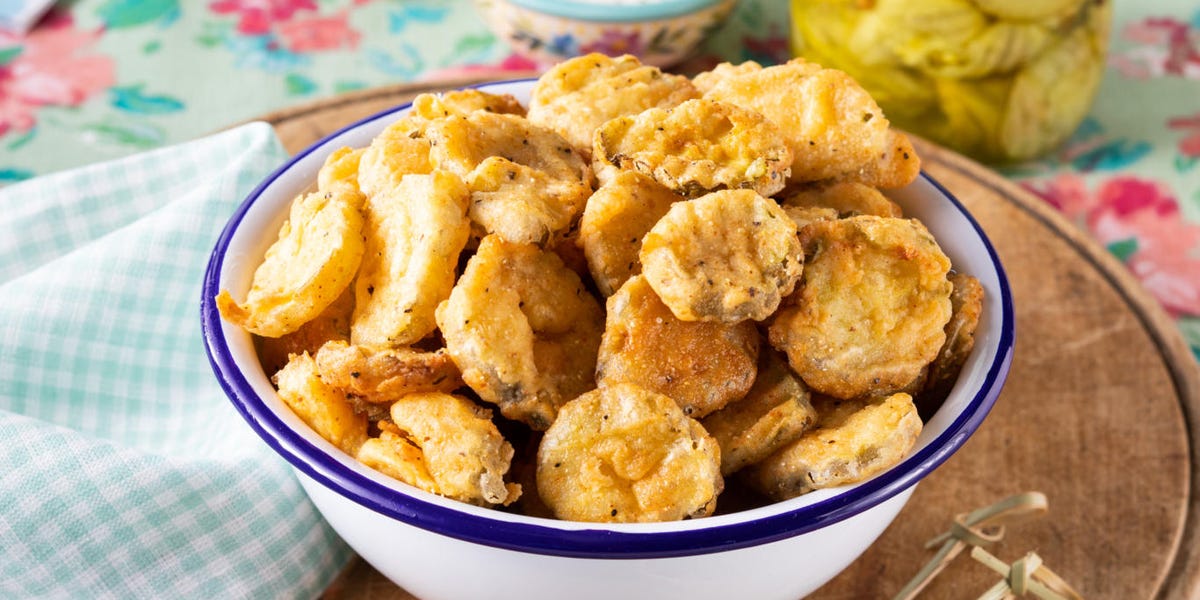
Unlock the Secret to Crispy Fried Pickles Every Time
There's a reason fried pickles have ascended from a quirky regional treat to a beloved appetizer staple across menus and kitchens nationwide. That irresistible combination of tangy pickle, crunchy coating, and savory seasoning hits all the right notes. However, any true fried pickle fanatic knows the agony of a soggy, lackluster pickle that falls short of its crispy potential. Fret not! We're here to pull back the curtain and reveal the definitive secrets to crafting the crispiest, most flavorful fried pickles every single time. Get ready to elevate your snack game, whether it's for game day, a party spread, or just a delightful treat for yourself.
Achieving that perfect golden crunch and juicy, pickle-y interior isn't magic; it's a science built on a few key techniques and the right ingredients. This comprehensive guide will walk you through everything you need to know, from selecting the ideal pickle to mastering the frying process, ensuring your Homemade Fried Pickles: The Panko & Spicy Ranch Recipe is a resounding success.
The Foundation: Choosing Your Pickles Wisely
The journey to the ultimate fried pickle begins with the star ingredient itself: the pickle. While some recipes call for pickle chips, we often recommend dill pickle spears for a superior experience. Here's why:
- Optimal Texture Balance: Spears offer a larger surface area for that coveted crunchy breading while retaining a significant, juicy pickle-y bite in the center. This creates a delightful contrast that chips sometimes lack, as chips can become too overwhelmed by the breading or lose their moisture more quickly.
- Ease of Handling: Spears are generally easier to dredge and fry evenly compared to smaller, thinner chips.
If pickle spears aren't readily available, don't despair! You can absolutely slice whole dill pickles into spears yourself. Alternatively, if you prefer a thicker chip for a different pickle-to-breading ratio, aim for about 1/4-inch thick slices from whole dill pickles. Regardless of your chosen shape, the most crucial first step is to pat them thoroughly dry with paper towels. This removes excess moisture, which is the nemesis of crispiness, ensuring the breading adheres properly and fries beautifully.
The Art of the Breading: Layers of Flavor and Crunch
The breading is where much of the magic happens, transforming a simple pickle into a crispy delight. Our preferred method employs a classic three-step dredging process, but with strategic enhancements to maximize both flavor and crunch.
1. The Flour Dredge: The Essential First Layer
The initial dredge in all-purpose flour serves a critical purpose: it creates a dry, adhesive base for the subsequent layers. Pickles are inherently wet, and flour helps absorb that surface moisture, allowing the egg wash to stick more effectively.
- Flavor Boost: This isn't just about sticking! Infuse your flour with flavor by whisking in seasonings. Our top recommendations include garlic powder and a good pinch of salt. For an extra kick, consider adding a dash of smoked paprika, cayenne pepper, or onion powder. This seasoned flour lays a delicious groundwork that permeates every bite.
2. The Egg Wash: The Binding Agent
Eggs act as the crucial "glue" that binds the dry flour to the final breadcrumb layer. Whisking your eggs until they are completely incorporated and uniform is important for an even coating.
- Even Adherence: A well-whisked egg wash ensures every crevice of the floured pickle is coated, providing a sticky surface for the breadcrumbs to cling to, which is vital for that ultimate crunch.
3. The Panko Power: Maximizing Crunch
When it comes to achieving unparalleled crispiness, panko breadcrumbs are the undisputed champion. There's a reason professional kitchens swear by them.
- Superior Surface Area: Panko breadcrumbs are distinct from traditional breadcrumbs; they are larger, flakier, and have a greater surface area. This unique structure allows them to absorb less oil during frying and become incredibly light and crispy.
- Texture Choice: While panko delivers the ultimate crunch, if you prefer a finer, more uniform texture, you could opt for Italian breadcrumbs. However, for maximum crisp, stick with panko.
Mastering the Fry: Temperature, Technique, and Timing
Even with the perfect breading, improper frying can lead to greasy, soggy pickles. Here’s how to fry your pickles to golden-brown perfection.
Oil Selection and Temperature
- Ideal Oil: Vegetable oil is highly recommended for frying. It has a high smoke point, meaning it can reach the necessary frying temperatures without burning or imparting unwanted flavors to your pickles. Canola oil, peanut oil, or even grapeseed oil are also excellent choices.
- Temperature is Key: Heat 1 ½ inches of oil in a large, deep skillet (a cast-iron skillet works wonderfully for even heat distribution) until it reaches approximately 350°F (175°C). An oil thermometer is your best friend here. If you don't have one, a quick test involves flicking a tiny splash of water into the pan; if it sizzles vigorously, the oil is likely ready.
Frying Technique
Proper frying technique ensures even cooking and prevents oil temperature drops, which can lead to greasy results.
- Batch Frying: Never overcrowd the pan! Fry only 3-4 pickle spears at a time. Overcrowding significantly lowers the oil temperature, leading to slow cooking, excessive oil absorption, and a less crispy product.
- Golden Perfection: Fry the pickles for about 1-2 minutes per side, flipping once, until both sides are a beautiful golden brown and gloriously crispy.
- Drain Properly: As each batch finishes, immediately transfer the fried pickles to a wire cooling rack set over a baking sheet, or a plate lined with paper towels. A cooling rack is often preferred as it allows air circulation on all sides, preventing condensation and helping maintain crispiness.
The Ultimate Dipping Experience: Spicy Ranch and Beyond
No fried pickle experience is complete without the perfect dipping sauce. While ranch dressing is a classic pairing, elevating it with a kick takes it to another level. Here's a simple yet sensational option:
- Spicy Ranch: Combine your favorite store-bought (or homemade!) ranch dressing with a few dashes of your preferred hot sauce. Adjust the amount of hot sauce to your desired level of heat. Sriracha, Tabasco, or a smoky chipotle hot sauce all work wonderfully. This zesty, creamy, and spicy accompaniment perfectly complements the tangy, crispy pickles.
- Other Delights: Don't limit yourself! Consider serving with honey mustard, a smoky barbecue sauce, a tangy remoulade, or even a simple sriracha mayo. The right sauce can truly enhance the entire snacking experience. For more fantastic snack ideas perfect for a gathering, be sure to check out our Game Day Ultimate Snack: Easy Crispy Fried Pickles Recipe.
Putting It All Together: Your Go-To Fried Pickles Recipe Steps
Ready to get frying? Here’s a summary of the steps for your tried-and-true fried pickles recipe:
- Prepare Pickles: Pat your pickle spears (or thick chips) thoroughly dry with paper towels. This is a non-negotiable step for maximum crispiness!
- Set Up Dredging Stations:
- In a shallow bowl, whisk together 1 cup all-purpose flour, 1 teaspoon garlic powder, and ½ teaspoon salt (or other preferred seasonings).
- In a second shallow bowl, whisk 2 large eggs until completely incorporated.
- In a third shallow bowl, pour about 1 ½ cups panko breadcrumbs.
- Dredge the Pickles: Working with 3-4 spears at a time to prevent overcrowding:
- First, toss the spears in the seasoned flour, shaking off any excess.
- Next, dip them into the whisked egg, allowing excess to drip off.
- Finally, roll them thoroughly in the panko breadcrumbs, pressing gently to ensure a good coating. Shake off any loose breadcrumbs.
- Heat the Oil: Pour about 1 ½ inches of vegetable oil into a large, deep skillet. Heat over medium-high heat until it reaches 350°F (175°C).
- Fry to Perfection: Carefully place 3-4 dredged pickles into the hot oil. Fry for about 1 minute per side, flipping once, until both sides are golden brown and crispy.
- Drain and Serve: Remove fried pickles with tongs or a slotted spoon and place them on a wire rack set over a baking sheet (or a paper towel-lined plate) to drain any excess oil. Serve immediately with your favorite dipping sauce, like our spicy ranch.
Tips for Success and Troubleshooting Common Issues
- Preventing Soggy Pickles: The biggest culprit for soggy pickles is moisture. Always pat your pickles dry, ensure your oil is at the correct temperature (too low, and they soak up oil; too high, and they burn before crisping), and don't overcrowd the pan.
- Even Coating: Shake off excess flour and egg at each step. This prevents a thick, gummy breading and ensures a light, crispy crust.
- Reheating: Fried pickles are best enjoyed fresh. If you must reheat them, a few minutes in an air fryer or oven at 375°F (190°C) can help restore some crispiness, but they won't be quite the same as fresh. Avoid microwave reheating.
- Make-Ahead: While you can bread the pickles a short while in advance and store them in the fridge on a tray, they tend to get wet. Frying them immediately after dredging is always the best option for maximum crispness.
Mastering the art of crispy fried pickles is incredibly satisfying, and with this detailed guide, you're well on your way to culinary triumph. By paying attention to pickle preparation, strategic breading, and precise frying techniques, you'll consistently produce a snack that's crunchy, flavorful, and utterly addictive. So grab your pickles, heat that oil, and prepare to delight your taste buds and impress your guests with this unbeatable fried pickles recipe!
